Role: Designer (sole)
Scope: Concept, design system, production files
Fabrication: Graphic Signs, LLC — Toledo, OH
THE CHALLENGE
-First independently run ADDY awards (no templates, no system)
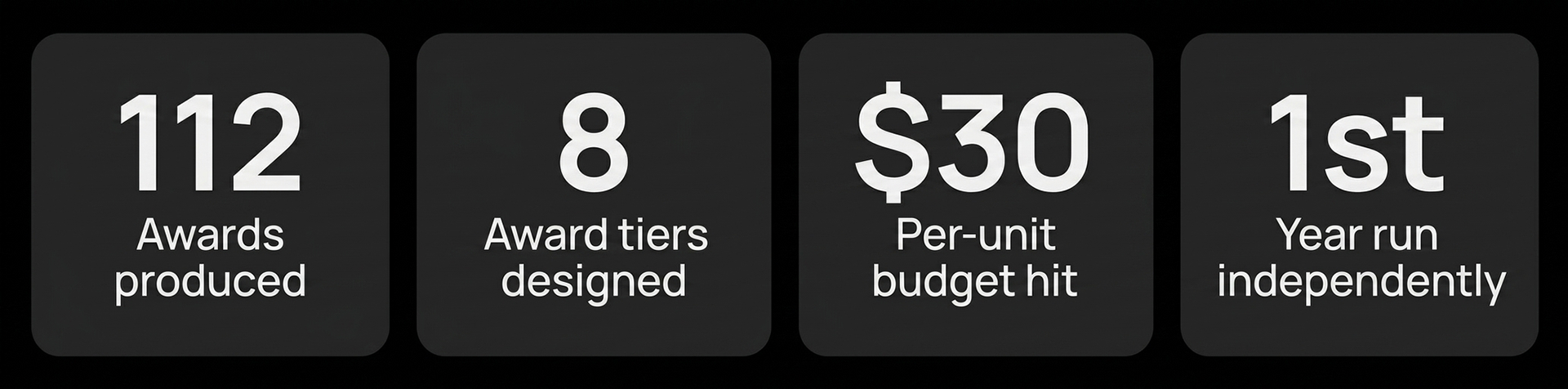
-112 unique awards with inconsistent data:
-Variable name lengths
-Long category titles
-Multiple entries per winner
-Strict $30 per-unit production cap
AAF Toledo ran its American Advertising Awards ceremony independently for the first time in 2026. That meant building everything from the ground up — no inherited templates, no prior local system, and a hard budget cap of $30 per trophy.
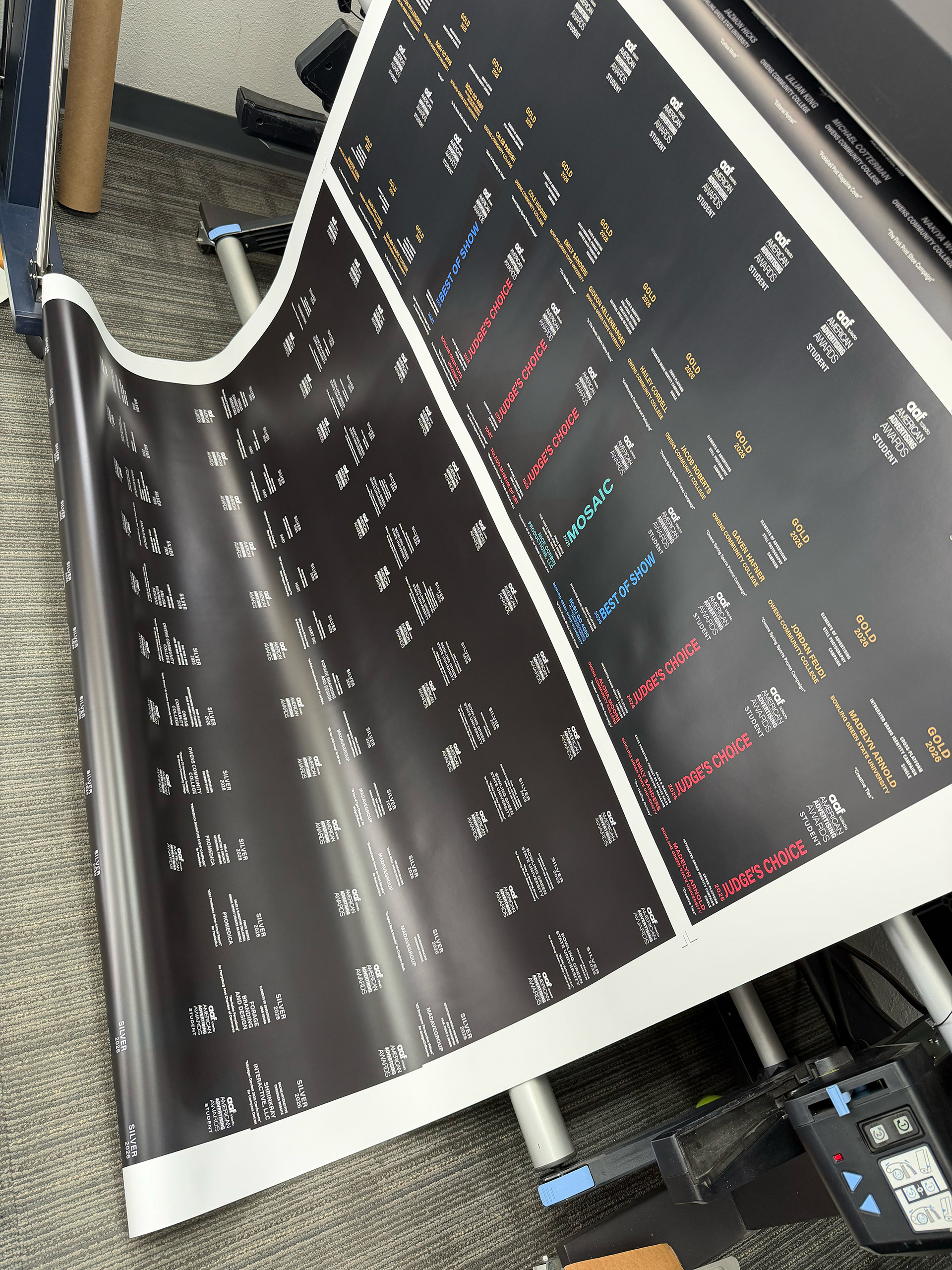
The data problem alone was significant. Winner information varied wildly across all 112 awards: names of different lengths, organization names ranging from a single word to full institutional titles, entry categories that sometimes ran three lines. Any design that couldn't flex gracefully around that variability would break in production.
THE CONCEPT
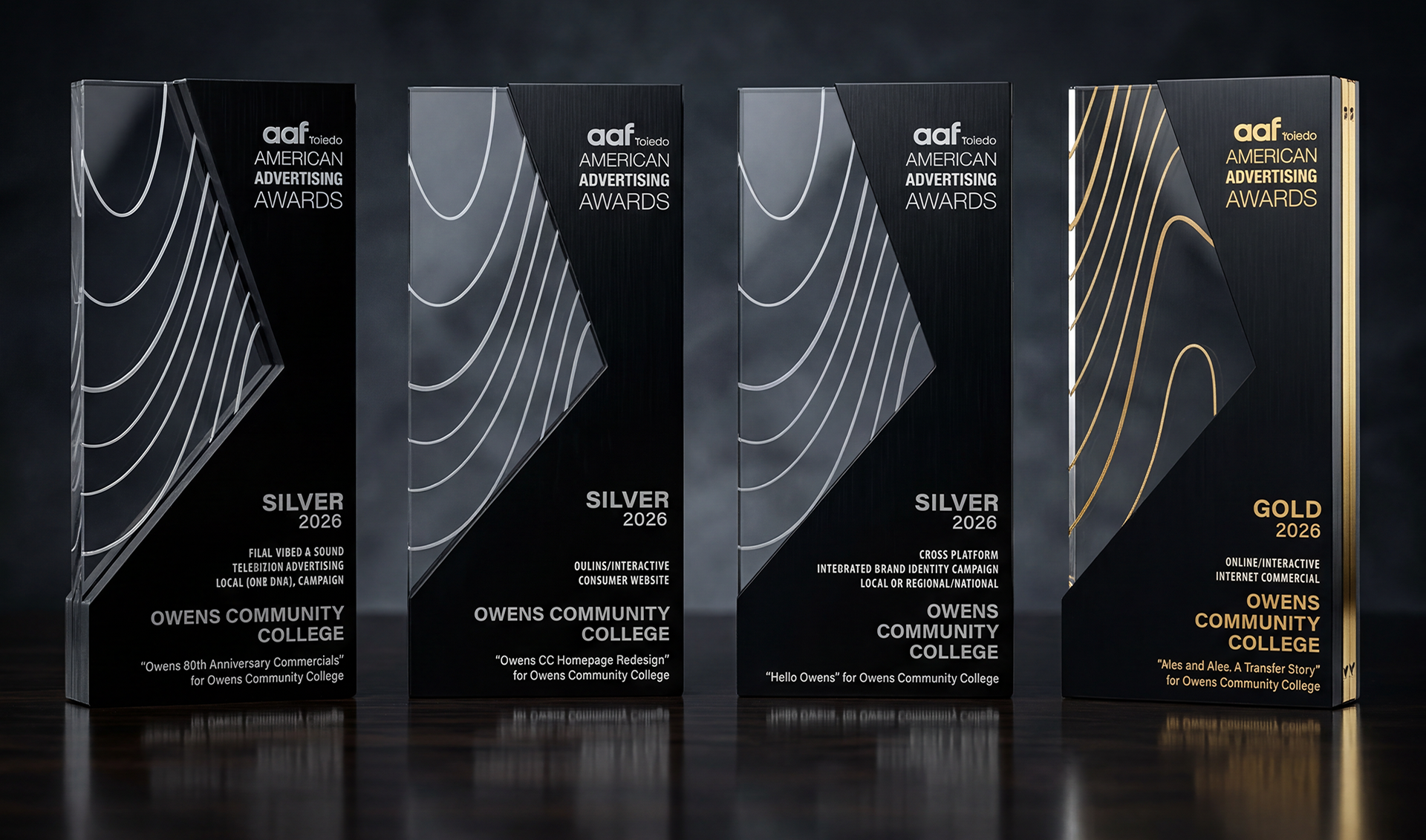
Rather than defaulting to a standard engraved trophy, the concept explored what an advertising award should represent: not just recognition, but the moment of creative impact.
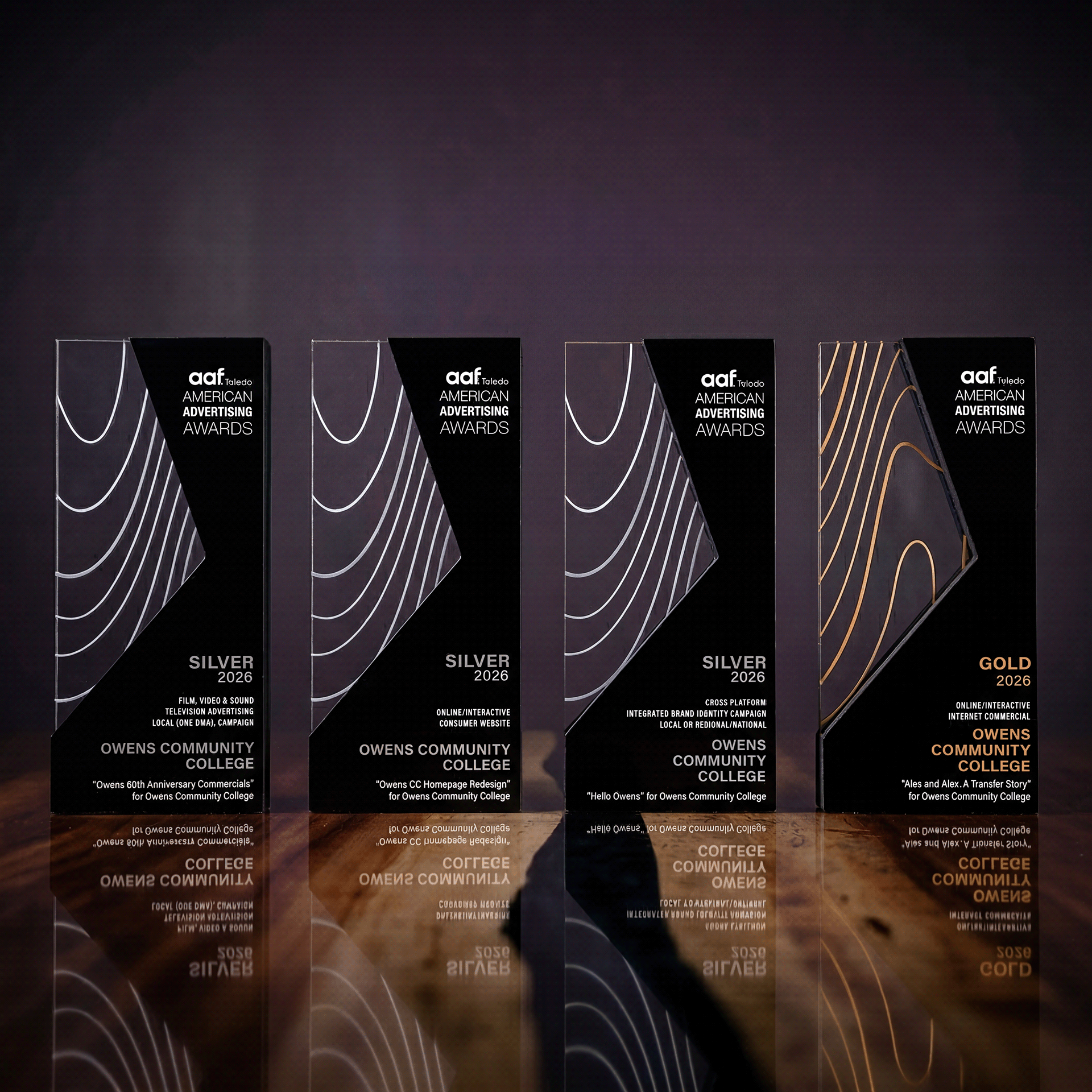
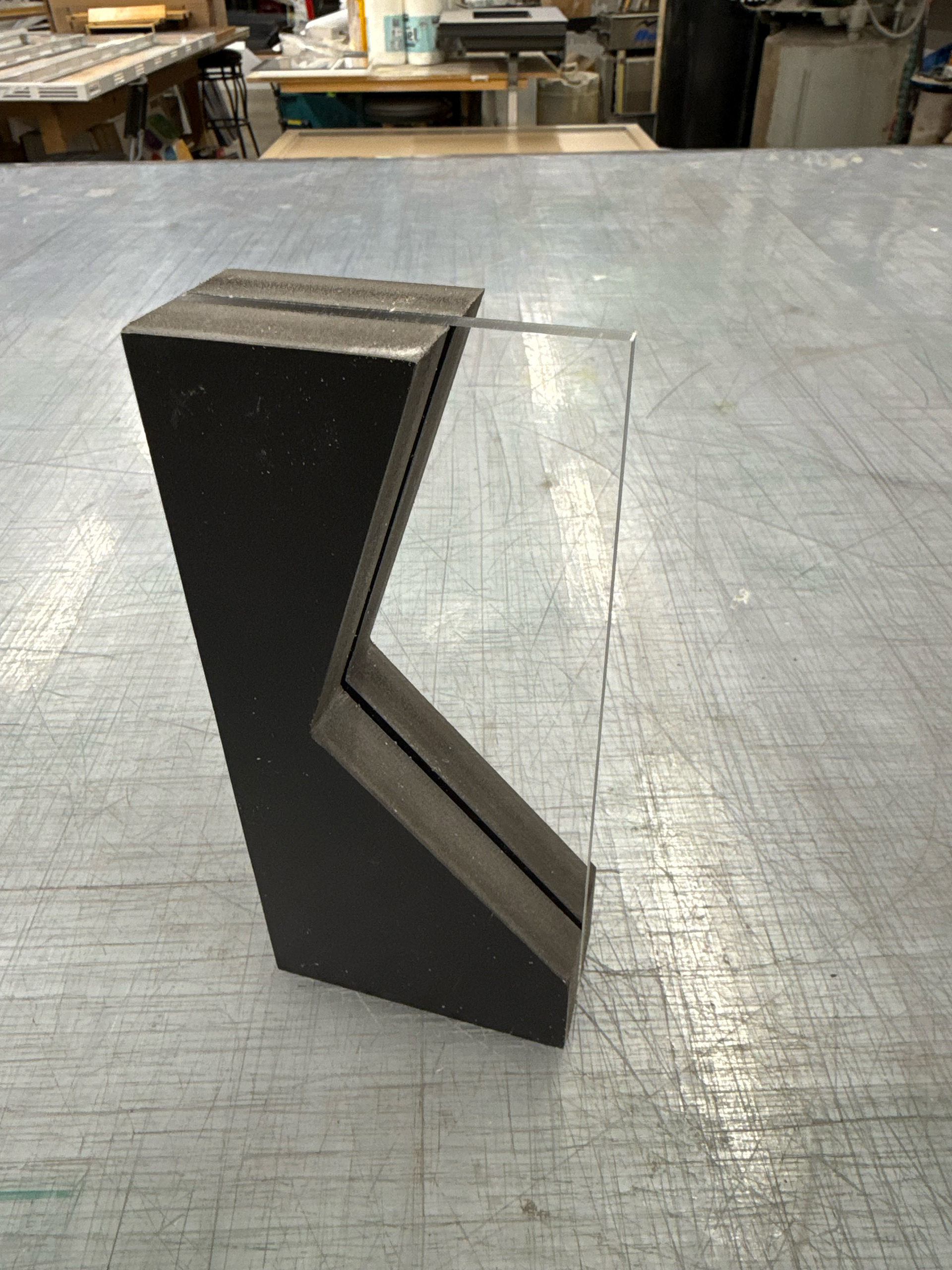
This led to The Reaction — a clear acrylic form capturing a dynamic internal swirl, as if a creative breakthrough had been frozen mid-experiment.




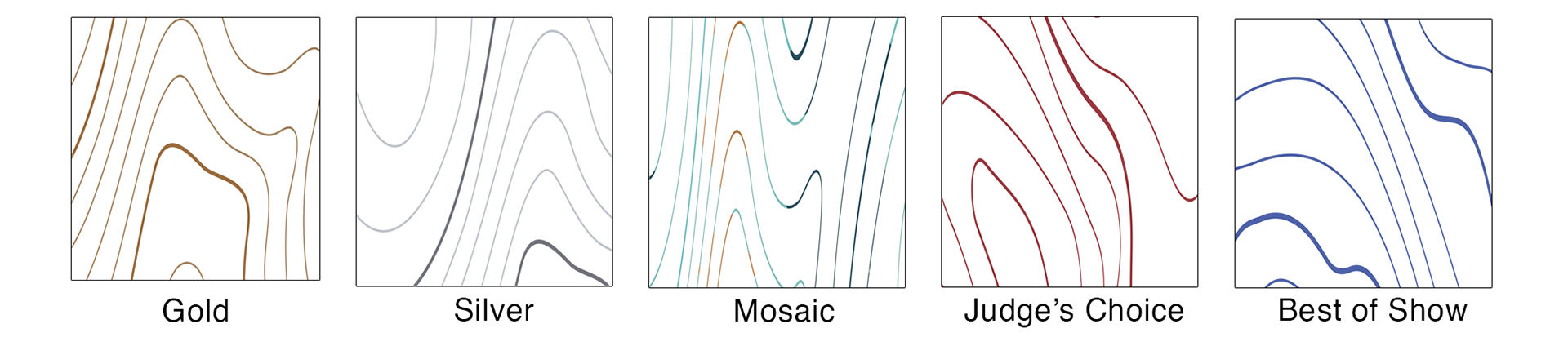
Award tiers were differentiated by the color of the internal swirl — keeping the exterior form consistent while making each level immediately distinct. Height also varied by tier, giving a natural physical hierarchy on a shelf or stage.
SYSTEM STRATEGY
-Normalize unpredictable data into structured layouts
-Maintain hierarchy regardless of content length
-Separate visual identity (form) from variable content (data)
-Allow consistent production across 112 unique outputs
KEY CONSTRAINTS → DESIGN DECISIONS
Data variability → flexible typography system
Budget cap → simplified engraving + material efficiency
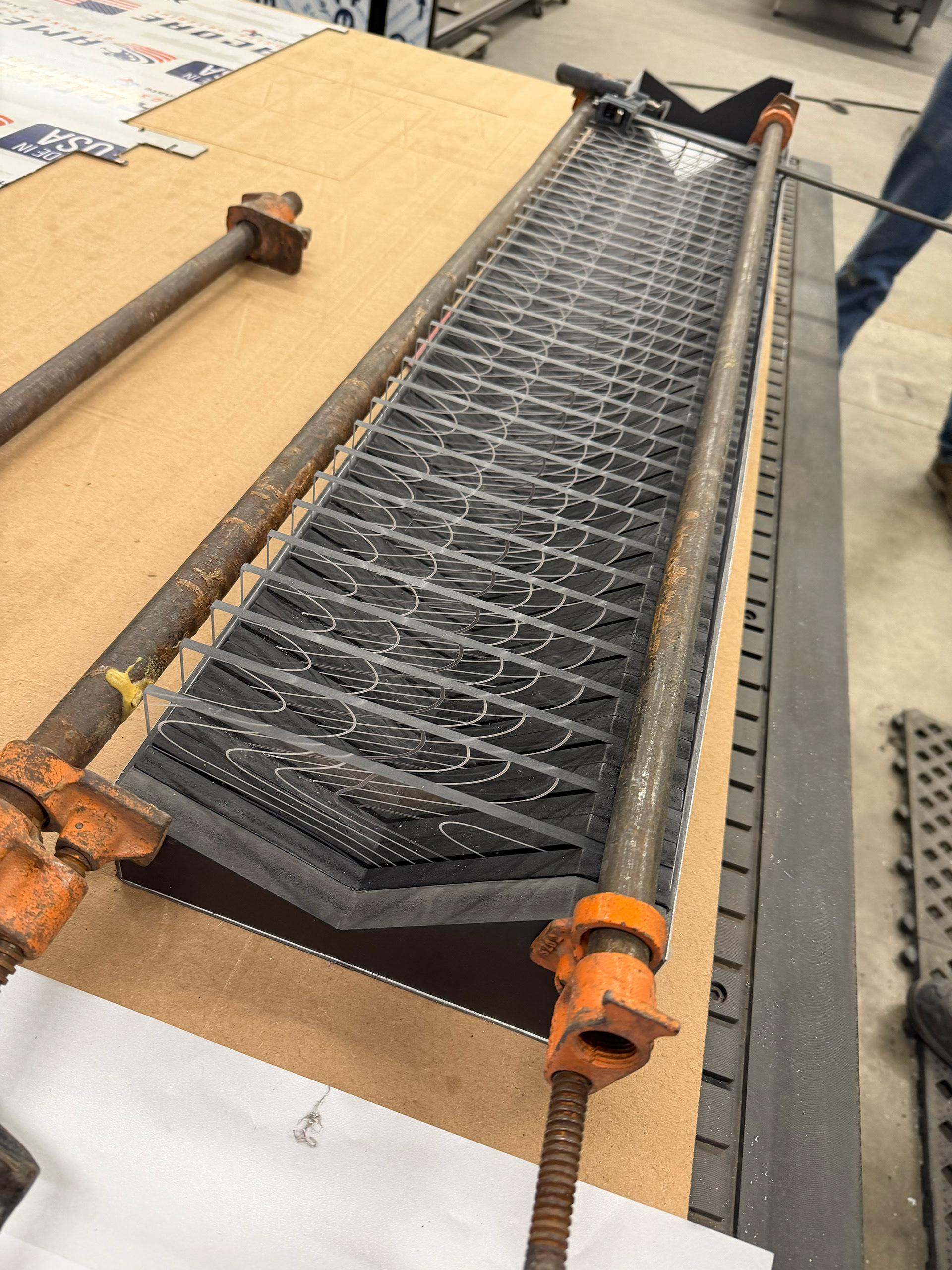
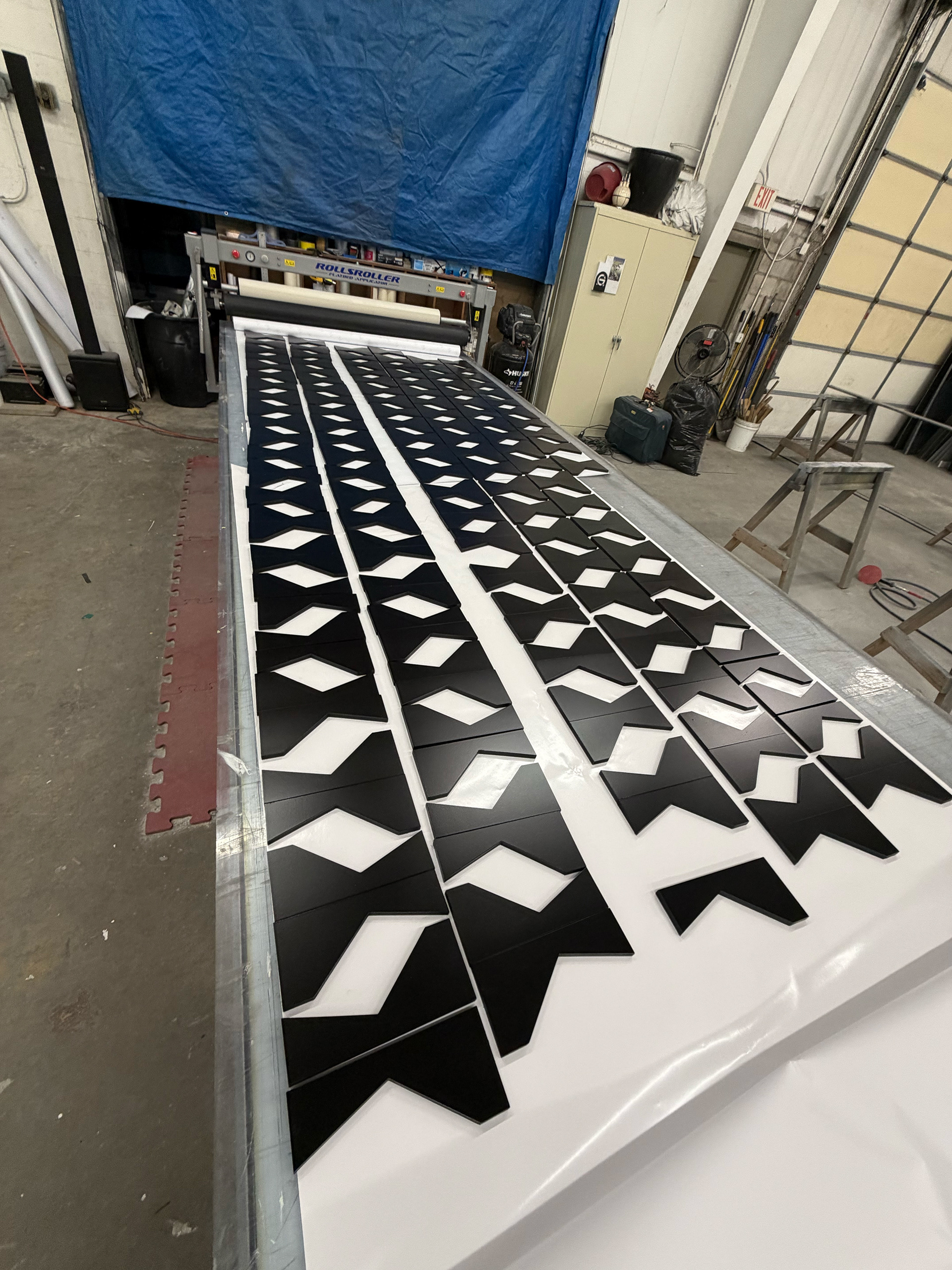
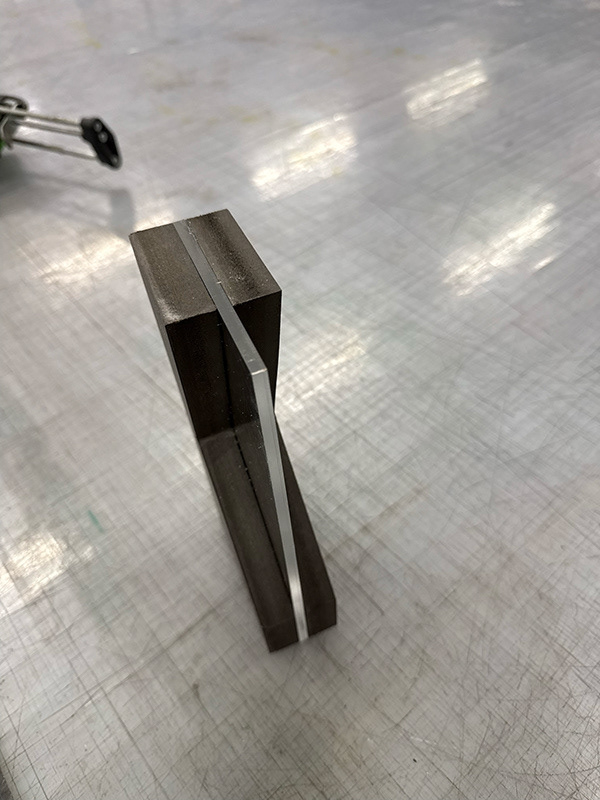
Fabrication limits → angled acrylic + modular base
Scale (112 units) → standardized production files
THE DESIGN SYSTEM
The system was built to handle variability without breaking:
- Fixed hierarchy (award level → recipient → organization)
- Flexible text containers for long names and categories
- Visual identity separated from variable data
This project wasn’t just about form—it was about ensuring every recipient, regardless of name length or category complexity, experienced the award as equally considered and legible.
AI-assisted workflows were used to test layout variations and stress-test extreme data scenarios before production.
PRODUCTION & FABRICATION
Design decisions were developed in close coordination with Graphic Signs, LLC, ensuring files translated accurately from screen to physical production. The black acrylic base and angled plexiglass structure created depth and contrast that held up under event lighting. Precision placement of printed elements across all units was critical — with 112 awards, any inconsistency compounds fast.
The system came in on budget at $30 per unit.
THE OUTCOME
The system successfully scaled to 112 unique awards without production errors, maintaining visual consistency across all units.
Awards were delivered on time and on budget ($30/unit), and performed effectively across real-world contexts—stage presentation, photography, and recipient display.
The result was a cohesive award system that balanced design integrity, data variability, and manufacturing constraints.